Visar inlägg med etikett Black Tern. Visa alla inlägg

2014-09-30

May 2014 part 2


Crane – Trana - Daru (Grus grus)

Black Tern – Svarttärna – Kormos szerkő (Chlidonias niger)

Black Tern – Svarttärna – Kormos szerkő (Chlidonias niger)

Ortolan Bunting - Ortolansparv – Kerti sármány (Emberiza hortulana)

Ortolan Bunting - Ortolansparv – Kerti sármány (Emberiza hortulana)

Crane – Trana - Daru (Grus grus)

Tawny Owl – Kattuggla – Macskabagoly (Strix aluco)

White-winged Tern – Vitvingad tärna – Fehérszárnyú szerkő (Childonias leucopteros)

White-winged Tern – Vitvingad tärna – Fehérszárnyú szerkő (Childonias leucopteros)

Kestrel - Tornfalk - Vörös vércse (Falco tinnunculus)

River Warbler - Flodsångare – Berki tücsökmadár (Locustella fluviatilis)

River Warbler - Flodsångare – Berki tücsökmadár (Locustella fluviatilis)

River Warbler - Flodsångare – Berki tücsökmadár (Locustella fluviatilis)

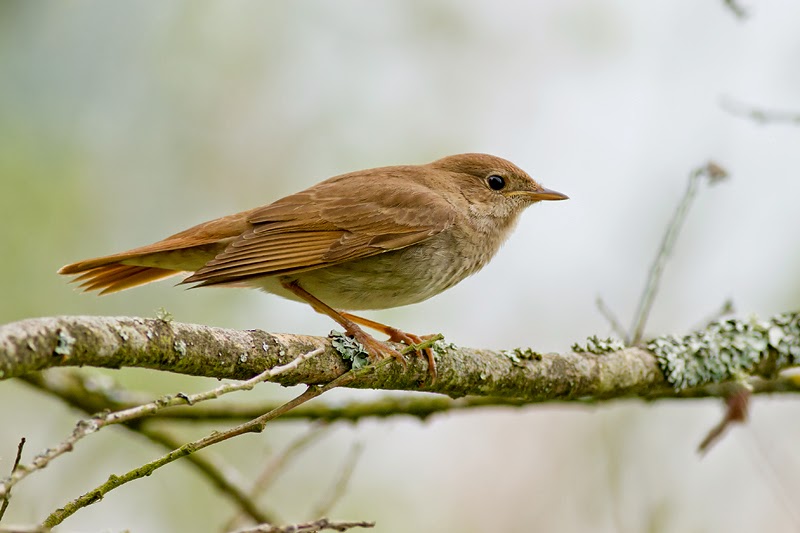
Thrush Nightingale - Näktergal – Nagy fülemüle (Luscinia luscinia)

Thrush Nightingale - Näktergal – Nagy fülemüle (Luscinia luscinia)

Red-breasted Flycatcher – Mindre flugsnappare – Kis légykapó (Ficedula parva)

Great Gray Owl - Lappuggla - Szakállas bagoly (Strix nebulosa)

Great Gray Owl - Lappuggla - Szakállas bagoly (Strix nebulosa)

Great Gray Owl - Lappuggla - Szakállas bagoly (Strix nebulosa)

Great Gray Owl - Lappuggla - Szakállas bagoly (Strix nebulosa)


Mandarin Duck – Mandarinand – Mandarinréce (Aix glareliculata)

Mandarin Duck – Mandarinand – Mandarinréce (Aix glareliculata)

2011-05-08

Asköviken

Asköviken is a beutiful nature reserve not far from Västerås. It is a very good birding place with many different biotopes; large fields, water, different types of forests, and reed fields. This makes the place very comfortable for many bird species. 
Here are a few I saw today (with a few other birders):

The black tern (below) is the symbol of the Asköviken nature reserve. 10-20 pairs are breeding here. They sometimes come closer than this, but I like the picture.


Black Tern (Chlidonias niger) 400mm, F/5.6, 1/2000, ISO-320


The ruffs (below) are not breeding here, they only pass by during the migration, when they move from Africa to northern Scandinavia and Russia in the spring. They offen migrate together, sometimes in hundreds. Today, we saw at least 200-250 of them. Notice the different colours of the males; yellow, red, white and black.
Ruff (Philomachus pugnax) 400mm, F/5.6, 1/1600, ISO-250

In the spring, the common snipes are very active. They fly high up, and then "dive" down, during which they "open" the tail, and the two outermost of the tailfeathers vibrate. This makes a very loud buzzing sound. Listen to it here: http://www.virtual-bird.com/songs/gallinago-gallinago.mp3
Common snipe (Gallinago gallinago) 400mm, F/5.6, 1/2500, ISO-250

Marsh harrier (Circus aeruginosus) 400mm, F/5.6, 1/1600, ISO-250

Common crane (grus grus) 400mm, F/5.6, 1/2000, ISO-250

Little gull (Larus minutus) 400mm, F/5.6, 1/2000, ISO-250

Greylag goose (Anser anser) 400mm, F/5.6, 1/1250, ISO-250

Greylag goose (Anser anser) 400mm, F/5.6, 1/1250, ISO-250

Barnacle goose (Branta leucopsis) 400mm, F/5.6, 1/2000, ISO-250

Yellow Wagtail (Motacilla flava) 400mm, F/5.6, 1/640, ISO-250

White-tailded eagle (Haliaetus albicilla) 400mm, F/5.6, 1/2500, ISO-250

Hen harrier (Circus cyaneus) 400mm, F/5.6, 1/2000, ISO-250
Hawfinch (Coccothraustes coccothraustes) 400mm, F/5.6, 1/1250, ISO-250